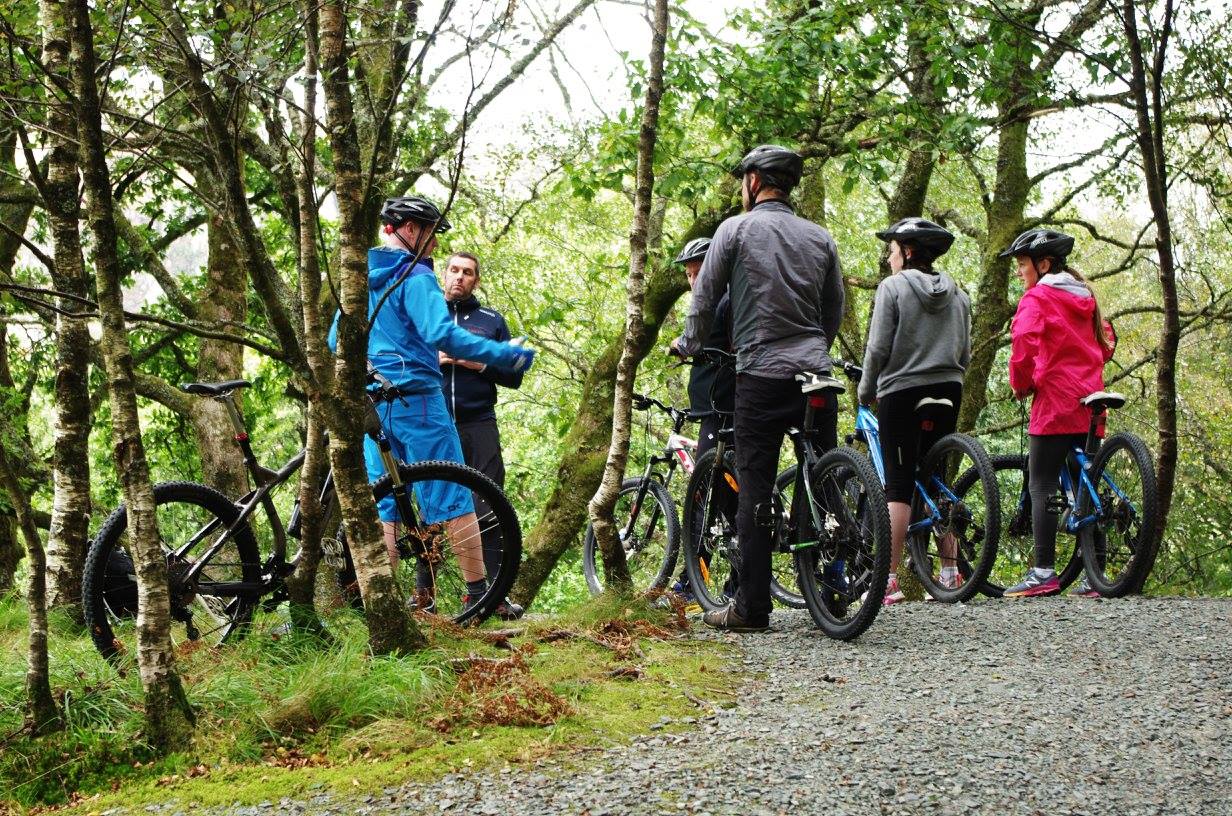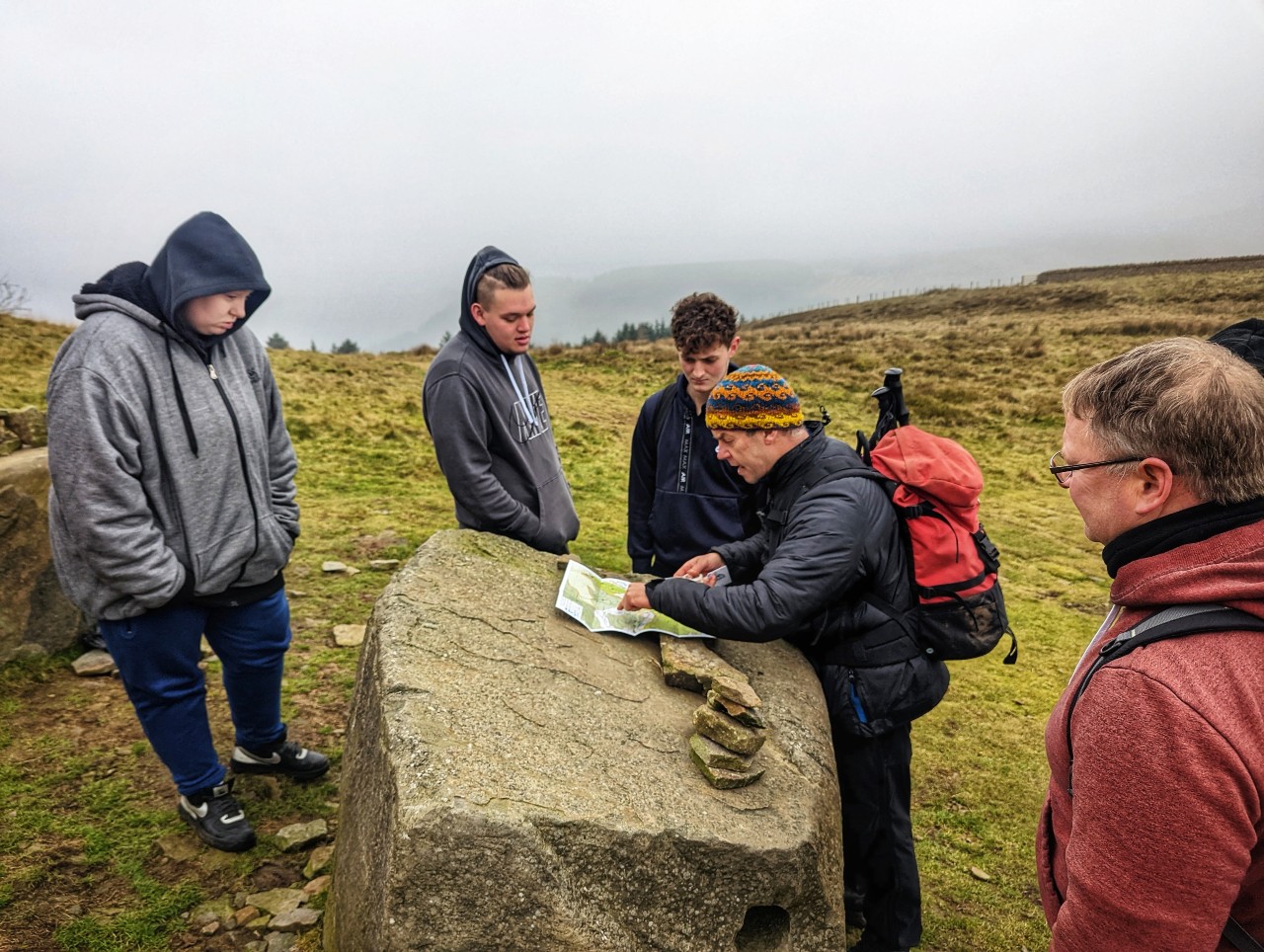
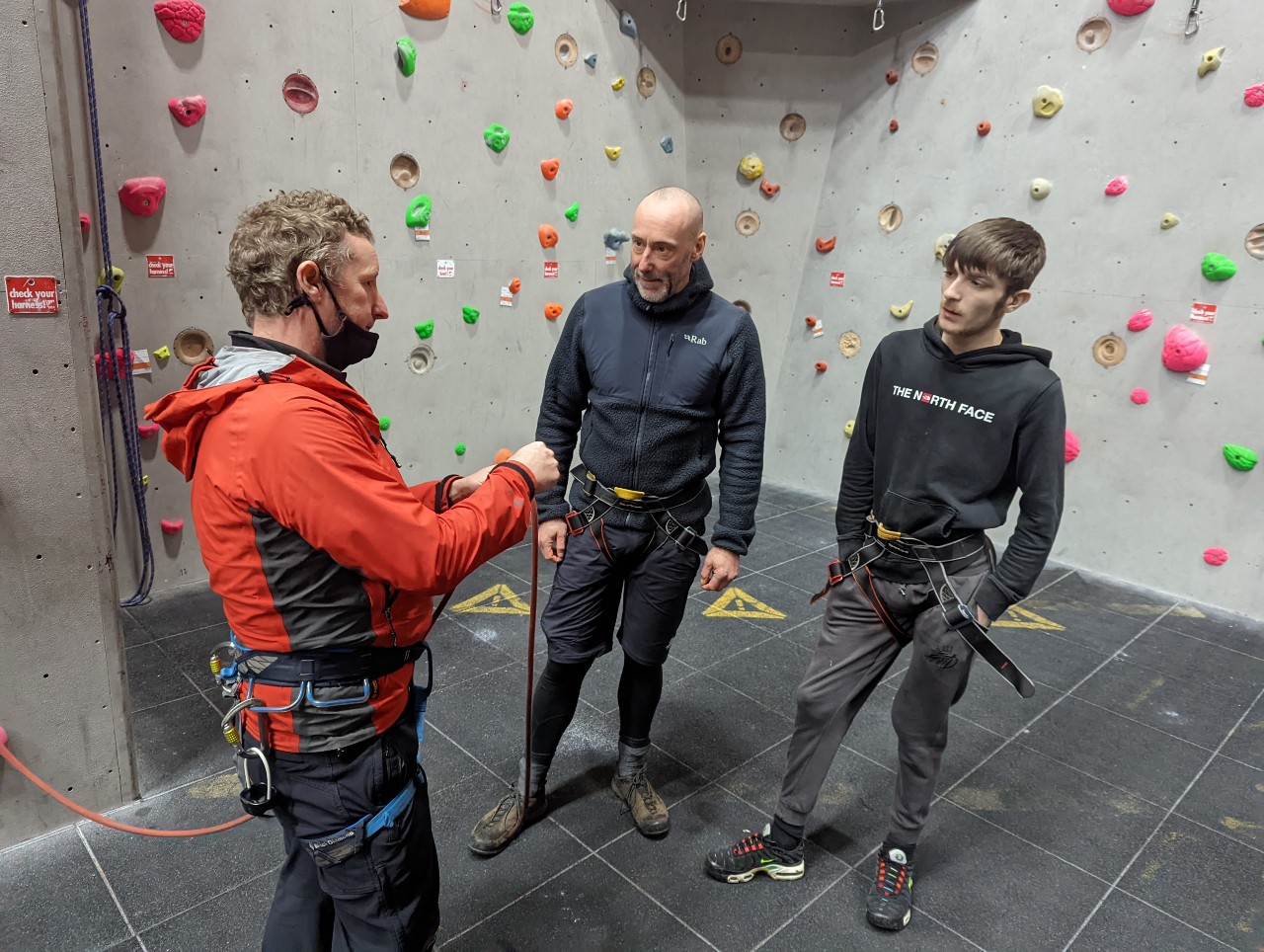
Pathways to Employment was established in North Wales in 2010 to support people facing barriers to employment. Using outdoor activities as a catalyst for personal development, the programme helps participants build confidence, improve wellbeing, gain qualifications and progress into volunteering, training and work.
Over time, the project has grown into a strong partnership between employers, training providers, community organisations and outdoor centres, creating more accessible routes into learning and employment. By aligning skills development with workforce needs and demonstrating the value of outdoor activity, the programme has influenced how organisations identify, support and develop talent. Since 2010, more than 1,000 people have moved into sustained employment through the programme, with 247 qualifications achieved and 66 participants progressing into full-time employment in 2025-26 alone.
Our Impact
Our Pathways to Employment projects have consistently exceeded expectations, helping to create a stronger and more inclusive workforce within the outdoor sector and beyond. Since 2010, the Pathways to Employment Project has supported more than 1000 people into sustained employment or further and higher education.
In 2025-26 alone: –
- 487 people participated
- 247 gaining qualifications
- 160 progressing into further learning and training
- 39 entering volunteering
- 66 moving into full-time employment.
- 93% of participants reported improvements in their mental wellbeing.
- 100% of participants said they felt more independent.
- Participants also reported improvements in their physical health, and many felt less isolated.
By working closely with employers, training providers and outdoor centres, we are helping to build sustainable talent pathways while generating a social return on investment of £8.42 for every £1 invested.
Project Benefits
1. Removes barriers to participation by raising confidence and motivation for work and improving the generic skills required by employers such as communication, team working and problem solving.
2. Develops the vocational skills of participants and promotes the importance of lifelong learning to participants.
3. Ensures National Governing Body Qualifications in outdoor sport are gained.
4. Improves physical and mental health and wellbeing through access to life-long outdoor activities
5. Secures a higher participation of under-represented groups, including NEETs, women, people living in poverty or experiencing homelessness, disabled people and people with work-limiting health conditions.
6. Encourages people who are workless to actively seek employment.
7. Improves individual skill levels to match those required by employers in the outdoor sector, including basic skills.
8. Ensures that people who live in the most deprived communities benefit.
9. Helps to tackle underachievement.
10. Gives participants an understanding and appreciation of the natural environment on their doorstep.


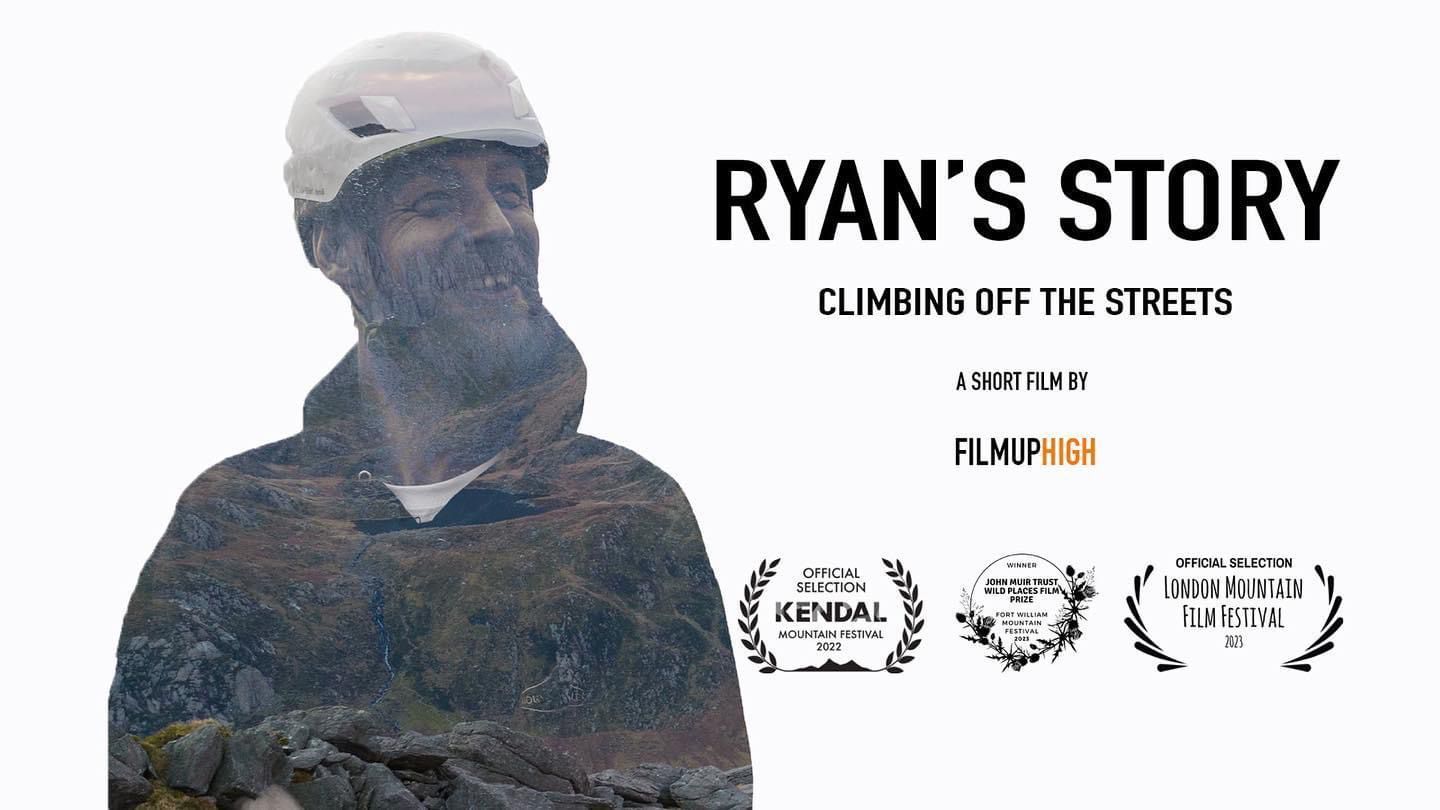
Ryan’s Story
Ryan was one of the first participants to come through our Pathways to Employment programme in north Wales. Ryan’s story is incredible and we are very proud to have played a small part in his journey.